

Since the 1930s, when Karl Jansky detected the first radio signals from space, astronomers have used radio telescopes to…
Select :
2i/BorisovAAS241AAS242AAS243almaantaresArchivesastrophotographersAstropixatmosphereblack holeblack holesbrown dwarfCASAcometConnectcosmologydata sciencedeuterium flashdiskDr Suessevent horizon telescopeexoplanetsexplorerfast blue optical transientsfireworksgalaxiesgalaxygalaxy ecosystemsgamma ray burstgreen bankgreenbank telescopeHubble ConstantImageinterstellar cometmagneticMajor InitiativesmeerKATneutron starngvlaNINEODIpoemProtoplanetaryprotoplanetary diskpulsarsradio astronomysagittarius A*satellitesspecial-featuresSt. Croixstarstar birthstar clusterstyle-pagesupernovasupernovaetelescopeTourstransientsVideoVLAVLA Learn Morevla visit pageVLBA
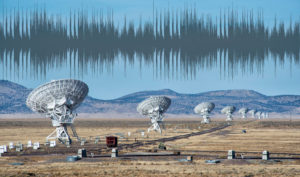
Day and night, we’re mapping the sky (and producing terabytes of data)
The Very Large Array Sky Survey is observing 33,885 square degrees of the sky over seven years, mapping 82…
Galaxy Ecosystems: A Grand Ballet
In June of 2017, the National Radio Astronomy Observatory invited four artists to a conference at New Mexico Institute…